News
Sigmatech Helps Launch the SARah-1 Satellite
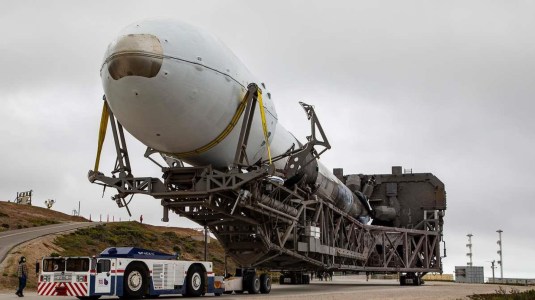
When the Russian invasion of Ukraine destroyed the An-225 transport slated to carry Germany's new SARah-1 reconnaissance satellite to Vandenberg, Sigmatech helped the U.S. Space Force engineer a cross-continental solution in time for the launch window.
Not many people would think that the failed attempt by Russian paratroopers to encircle Kyiv would lead to stronger combined operations in space, or the first ever “tactical” coordination between the Space Force and the U.S. National Guard. The Russian attack on Hostomel Airport, outside Kyiv, destroyed the world famous “Mriya” Antonov An-225 and disrupted the bulk air cargo operations Ukrainians have provided across the globe. One of those transports was scheduled to carry the German Space Command’s new Synthetic Aperture Radar (SARah) satellites for launch at Vandenberg SFB, the first of which was scheduled for mid-June. The SARah constellation, an $840 million German investment, gives the Bundeswehr (German Armed Forces) worldwide imaging reconnaissance capability independent of the time of day or the weather.
SARah-1 was able to make its launch date in California because the German Space Command had friends in all the right places, and the U.S. Space Force had workable solutions to confront many obstacles.
Finding a Legal Path
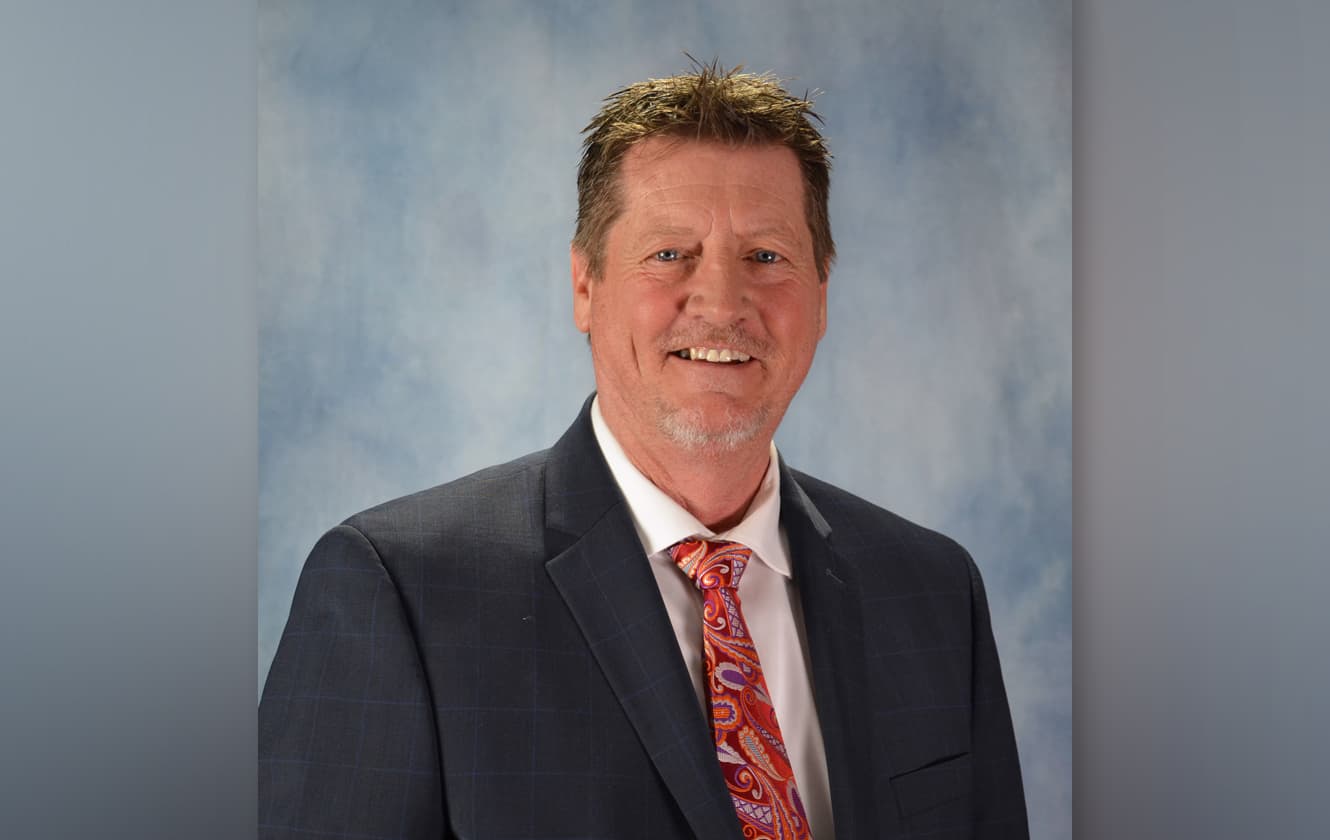
The Global Partnerships Directorate (S5P) at Headquarters, U.S. Space Force learned of Germany’s transport problems, and approached one of their Sigmatech, Inc. contractors to develop a solution. Mr. Doug Faherty, an international affairs specialist who joined the Sigmatech team last August, immediately pointed out that an existing treaty between the U.S. and German governments, the Acquisition and Cross Servicing Agreement (ACSA), gave the Germans an option to request American help.
According to the Department of the Air Force’s General Counsel, this is the first time the Space Force has ever invoked an ACSA agreement to support a partner nation.
Calling in the National Guard
Once the satellite arrived at the Port of Baltimore, new complications in transport arose. State Highway authorities in the U.S. initially denied transport permits for the satellite. With just three days to arrive at Vandenberg SFB on schedule, Doug leveraged his relationship with Dr. John Finney, Political Advisor to the Chief of the National Guard Bureau.
Before the end of the day, General Hokanson contacted the Adjutants General in charge of the National Guards in each of the eight States, asking them to expedite SARah-1’s movement permits with their local government partners.
The NGB CAG and Space Force Global Partnerships Directorate tracked the successful movement of SARah-1 over a Spring weekend through Maryland, Virginia, Tennessee, Arkansas, Texas, New Mexico, Arizona, and California, the first tactical support to the Space Force mission by the National Guard.
On Time to Orbit
SARah-1 successfully reached orbit on the morning of June 18th, just as scheduled. The German Space Command is already planning the launch of two reflector satellites (SARah-2 and -3), to complete the constellation before the end of this year.